

Toronto, Canada
You Know What
to Say.
So Why Can't
You Say It?
You didn't get the promotion.
Again.
The person who did? Less experienced. Fewer results. But they had the presence in that room.
You know your stuff. Your work is flawless. But when it's your turn to speak, the words don't land right. You ramble. The energy shifts. And three hours later, you're still replaying it.
This isn't imposter syndrome.
This is the execution gap: the space between knowing what to say and saying it with clarity and confidence that makes people lean in.
And it's costing you visibility, credibility, and the promotions you've earned.
This isn't a personality problem. It's a skill problem.
I'm Clerisa Varghese. I help technically brilliant professionals in tech and finance close that gap.
Not with "be more confident" advice. With a proven framework that turns invisible expertise into undeniable executive presence.
You don't need to change who you are.
You just need to command the room.
The execution gap is the barrier between having expertise and articulating that expertise clearly.
You've experienced it if you've ever:
Known exactly what to say in your head, but it came out scattered
Left a meeting thinking "Why didn't I just say that?"
Watched someone less qualified sound more confident than you
This isn't a personality flaw. It's a skills gap.
And like any skill, it's trainable.
The professionals who get promoted aren't always the most technically skilled. They're the ones who can structure a message, command a room, and advocate for themselves without apologizing.
That's what I coach you on.
Communication Coaching for Technical Professionals
You're a software engineer, data scientist, IT professional, or technical specialist who:
Knows your code/data/systems inside out
Struggles to explain your work to non-technical stakeholders
Gets interrupted in meetings because you're "taking too long to get to the point"
Avoids speaking up because you don't know how to make it concise
Knows what to say but it comes out scattered or over-detailed
You need: Frameworks to translate technical concepts into business language.

Do You Recognize Yourself Here?
In Meetings:
✗ You stay silent even when you have something valuable to contribute
✗ Someone else says your idea 10 minutes later and gets credit for it
✗ You leave meetings thinking "Why didn't I just say that?"
With Senior Leaders:
✗ You over-prepare for conversations and still blank when the moment comes
✗ You use filler words on autopilot: "um," "like," "so," "kind of"
✗ You sound uncertain even when you're 100% sure of the answer
In Feedback Conversations:
✗ You sugarcoat feedback so much that your actual point disappears
✗ You avoid difficult conversations for weeks (or months)
✗ You say "I just wanted to check in..." when you mean "This needs to change"
In Presentations:
✗ You rehearse for hours and still stumble through the opening
✗ You read your slides word-for-word because you're afraid to go off-script
✗ You speak in monotone and watch people zone out
After Every Conversation:
✗ You replay what you said for the next 3 hours
✗ You text your friends: "Did I sound stupid?"
✗ You avoid high-stakes conversations because the anxiety isn't worth it
If you nodded at 3+ of these, you have an execution gap.
The good news is it's closable.
Option 1: Command the Room (12-Week Program)
For professionals ready to transform how they communicate at work.
What you get:
12 weekly 1-on-1 coaching sessions (60 min each)
Personalized frameworks for every scenario
Real-world practice on your actual presentations and conversations
Best for:
New managers learning to lead
Technical professionals preparing for senior roles
Mid-career professionals stuck at their current level
Investment: $2,500 CAD (payment plans available)
Results: Clients get promoted, speak up in meetings, deliver difficult feedback, and stop replaying every conversation. to help tech professionals develop executive presence and influence.
Option 2: Deck Detox (90-Minute Intensive)
For professionals with a high-stakes presentation in 2-4 weeks.
What you get:
60-minute deck review and message restructuring
30-minute polish session after you practice
Curveball prep for tough questions
Day-of confidence strategies
Best for:
Board meetings, investor pitches, all-hands presentations
Conference talks, client proposals, TEDx talks
Any moment where you need to nail it
Investment: $437 CAD
Results: Polished presentation, scripted responses to tough questions, confidence on game day.
Option 3: Corporate Communication Training
For L&D leaders investing in their team's communication skills.
What you get:
Communication frameworks for new managers
Executive presence fundamentals
Delivering feedback that lands
Speaking up in meetings without rambling
Best for:
Teams of new managers
Technical teams presenting to non-technical stakeholders
Leadership development programs
Investment: Custom pricing based on size
What Makes This Communication Coaching Different
1. I Specialize in the Execution Gap
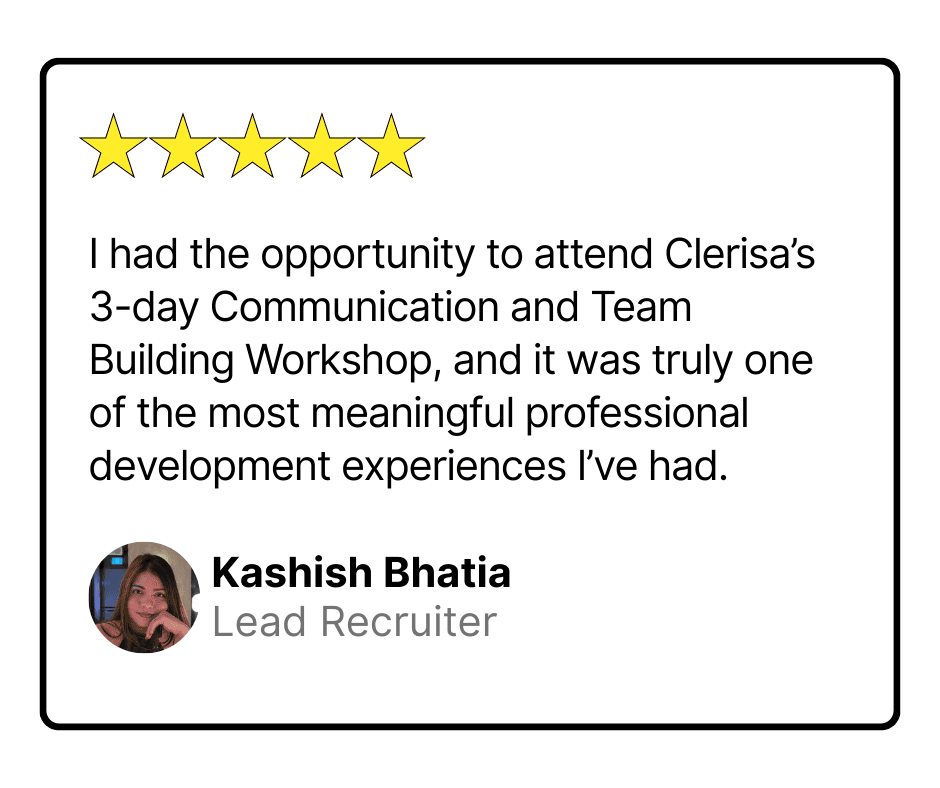
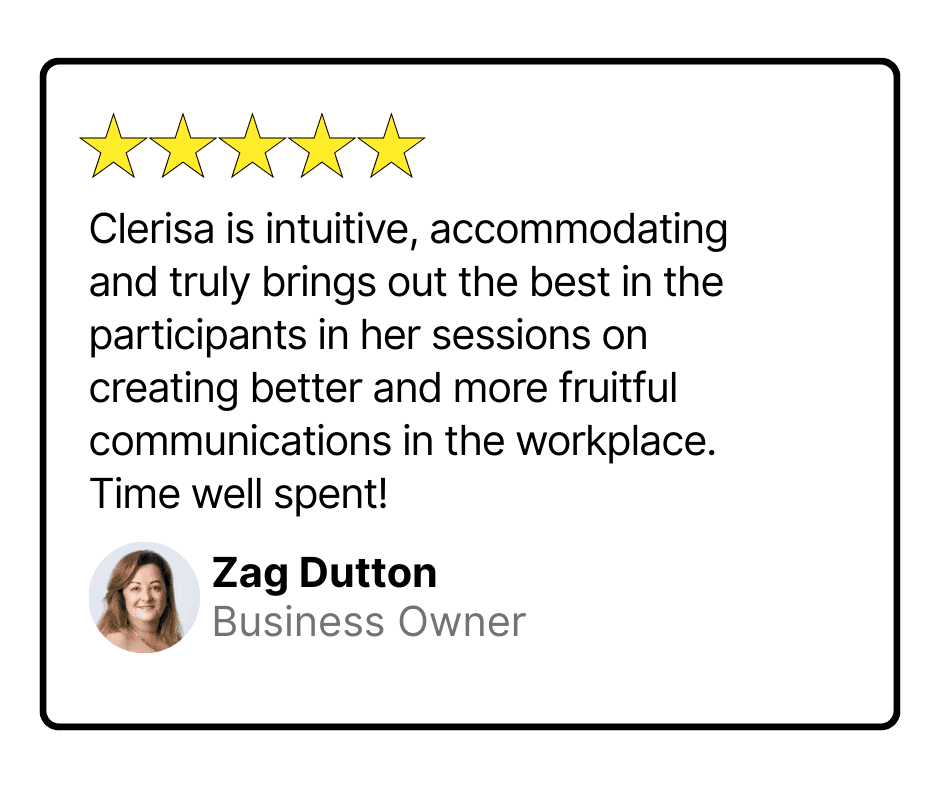
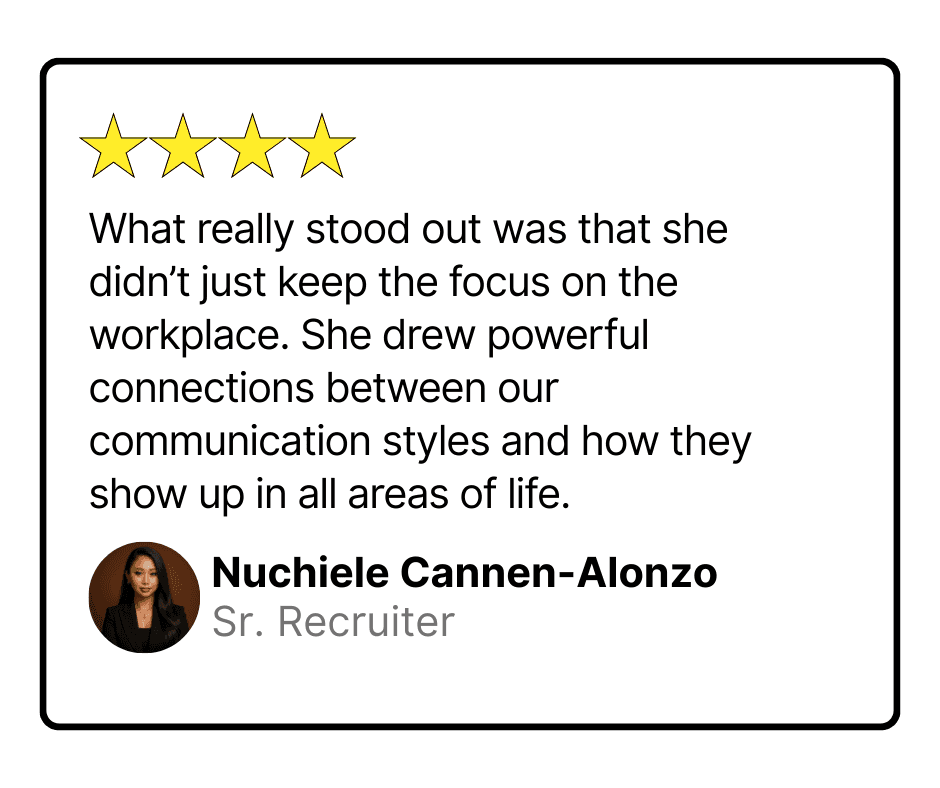
Unlike generic communication coaches, I focus specifically on the barrier between knowing what to say and saying it with confidence. If you're smart but can't articulate it that's my specialty.
2. You Get Frameworks
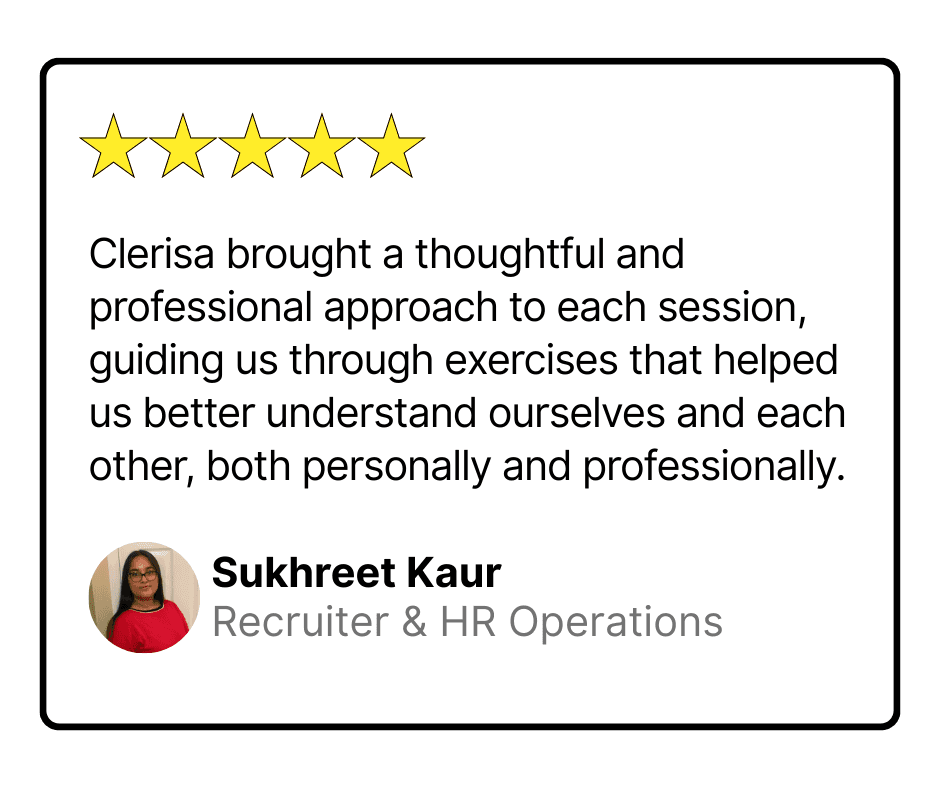
No "just be yourself" advice. You get repeatable structures (ACTION, PREP, SHIFT, P.W.E., TVR P²) that work even when you don't feel confident.
3. I Understand Your World
I've worked at AMD, CGI, and PwC. I know what it's like to explain technical work to non-technical stakeholders. I know the pressure of high-stakes corporate presentations.
4. You Practice on Real Work Scenarios
No generic speeches about "my summer vacation." You practice on your actual presentations, your actual feedback conversations, your actual career challenges. Skills become muscle memory.
5. I Only Take 3 Clients Per Quarter
This isn't a mass-market course. I work with 3 people at a time so every session is personalized, every framework is tailored, every result is measurable.
What is communication coaching?
Communication coaching is 1-on-1 training that helps you structure your messages, speak with confidence, deliver feedback effectively, and advocate for yourself at work. Unlike public speaking training (focused on large audiences) or speech therapy (focused on clinical issues), communication coaching focuses on professional scenarios: meetings, presentations, difficult conversations, and leadership communication.
How is this different from Toastmasters?
Toastmasters is group practice with peer feedback on generic speeches. Communication coaching is personalized 1-on-1 training tailored to your specific gaps and work scenarios. You practice on YOUR presentations, YOUR feedback conversations, YOUR career challenges.
How long does it take to see results?
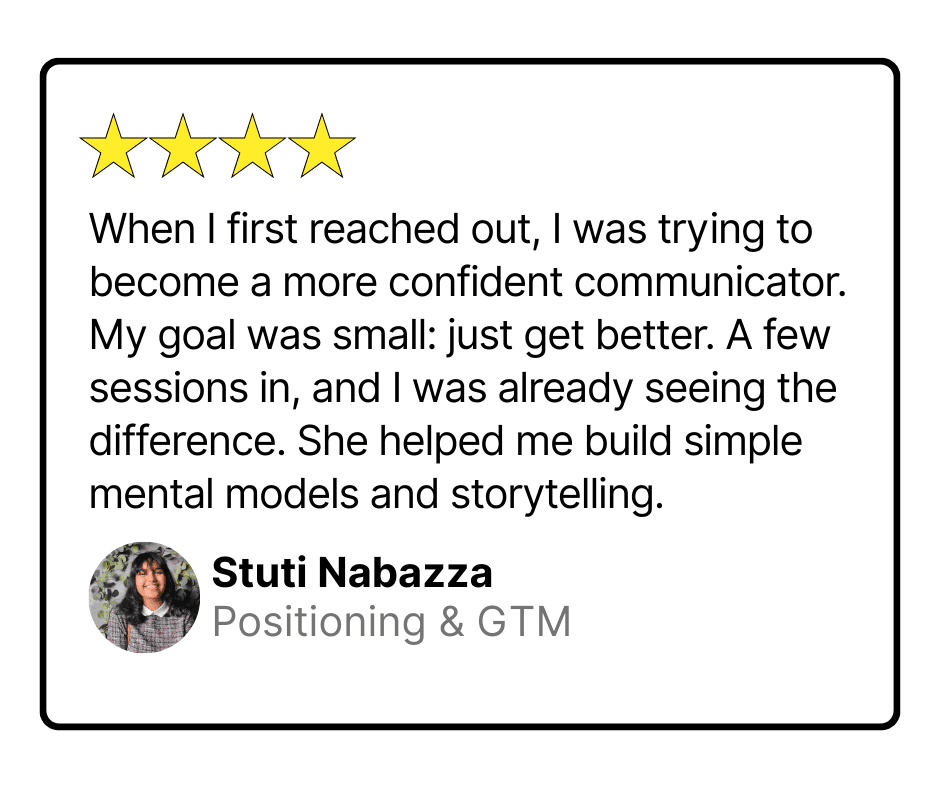
Most clients see measurable improvement within 2-4 weeks of starting. The full transformation where confident communication becomes automatic typically takes 12 weeks of consistent practice.
Can I do this virtually?
Yes. All coaching is conducted via Google Meet. You don't need to commute you can coach from home, your office, or anywhere with internet.
Can my employer pay for this?
Yes. Many professionals get reimbursed through their company's L&D budget or professional development funds. I provide invoices for corporate reimbursement.
What if I'm an introvert?
Perfect. Many of my clients are introverts. Structure actually helps introverts shine you don't have to "wing it" anymore. You have frameworks that work every time.
How much does communication coaching cost?
Command the Room (12-week program) is $2,500 CAD. Deck Detox (90-minute intensive) is $437. Corporate training is custom priced based on team size.

I'm Clerisa founder of Top Leader Lab and a Toronto-based communication coach specializing in technical professionals and new managers.
My background:
Corporate experience at AMD, CGI, and PwC
Certified Leadership & Performance Coach (Canada Coach Academy)
Certified DiSC Practitioner
My philosophy: Communication isn't a personality trait. It's a skill. And like any skill, it's trainable.
You don't need to change who you are. You need structure for what to say and how to say it.
That's what I teach.